
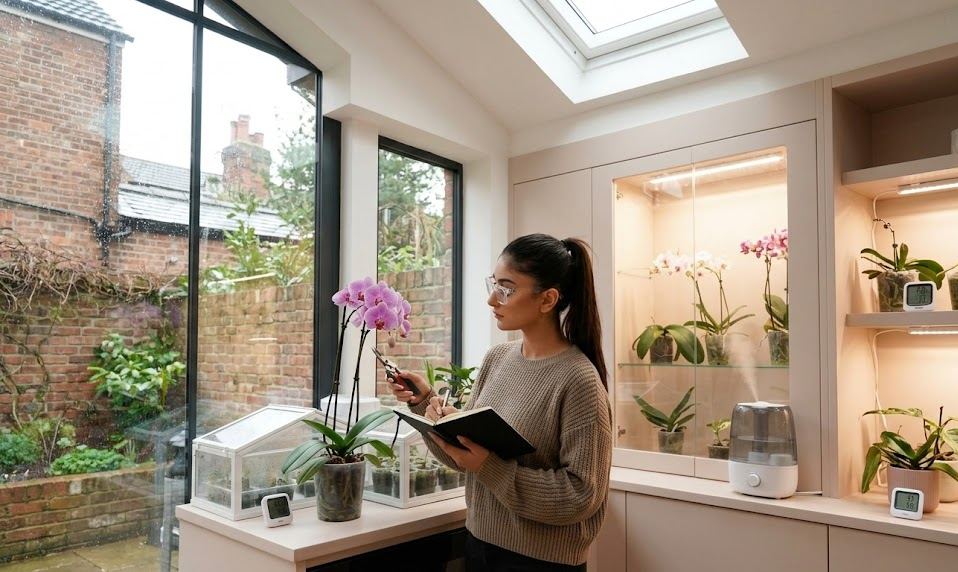
Most homes are built around common routines, like kitchens for cooking, bedrooms for sleeping, and living rooms for relaxing. While functional, these traditional layouts often fail to accommodate the creative activities and passions that bring people joy.
A recent Kent Attractions report found that an impressive 93% of individuals regularly engage in some form of hobby. Yet, surprisingly, most people still don’t have a dedicated space in their homes to fully enjoy these pursuits.
Homeowners are shifting from conventional layouts to personalised spaces centered on their favorite pastimes.
At My Tea Time, I provide practical insights on health, travel, and lifestyle for women through our blogs.
Why People Are Designing Homes Around Hobbies
So, why the shift in focus? Here’s a closer look at the key reasons people are designing their homes around their hobbies:
1. Hobbies are Being Taken More Seriously
For a long time, hobbies were treated as afterthoughts: activities people only pursued when they had spare time. That perspective has entirely shifted.
People who regularly engage in hobbies tend to experience greater happiness.
It’s not just a feeling; the numbers back it up. A recent Nature Medicine study of over 93,000 adults from 16 nations found that having a hobby can lead to greater happiness, a stronger sense of life satisfaction, and fewer feelings of depression.
In simple terms, engaging in activities you enjoy can improve your overall well-being.
2. Time at Home Has Changed Everything
In recent years, people have changed how they use their homes. With more time spent indoors, many found new or old hobbies. A spare room that once stored junk became a yoga space, a painting area, or a cosy reading nook.
Curious to see what this transformation looks like? Check out this East London Townhouse.
This change has continued. People have seen how much better a day is when they’ve a special corner of their home for something they enjoy. They enjoy the smell of paint, the rustle of pages, and gardening on Sunday mornings. These small moments make a big difference.
3. People Want to Spend More Time Offline
According to Ofcom, UK adults now spend about 4.5 hours online each day. Many people find this exhausting. Many UK adults think too much screen time is harming their wellbeing.
This concern is leading people to return to screen-free hobbies like gardening, knitting, watercolour painting, and model making. Setting up a home space for these activities makes it easier to put down devices and enjoy them.
4. The Work-Life Boundary Needs Defending
Working from home blurred many boundaries. The kitchen table became a desk, and the spare room turned into an office. While this setup was convenient, it made it harder to disconnect from work mentally.
A reading chair in a corner, a craft table with materials ready to use, and a small music area away from the laptop create special spaces. None of this needs to be bought new, either; secondhand dealers such as https://secondhandfurniturekent.co.uk/ sell armchairs, desks and side tables from house clearances, and older pieces tend to suit a corner that’s meant to feel personal anyway. These areas send a message to your brain that this time is yours, not for work. Having a space just for enjoyment, not for getting things done, helps make that separation clearer than willpower alone usually can.
5. A Dedicated Space Makes Habits Stick
One reason hobbies often fall by the wayside is the lack of a dedicated place to enjoy them. Whether it’s painting, writing, crafting or simply reading in peace, having a space designed around a particular interest can make it easier to maintain.
Some UK homeowners are extending their hobby space beyond the primary house with sheds, workshops and summer houses from Elfords, creating quiet areas where they can focus on the activities they enjoy most.
6. People Are Rethinking What Rooms Are For
Not all homes need a formal dining room, which is used only a couple of times a year. Not every small room has to remain small.
Homeowners are thinking about what they want more of in their homes. They want a home library, a music corner, a craft room, or a garden studio. These choices are not luxuries; they are practical needs for everyday life.
For anyone wondering where to start, explore this guide on how to make the most of your spare room that walks through layout, purpose, and planning for UK homeowners.
7. Hobby Spaces Support Your Well-Being
Interior designer Blair Moore, founder of Moore House Design, sums it up perfectly: “A room that celebrates putting on a record, flipping through books, or dancing without distractions is on the rise. These moments feel human, nostalgic, and restorative.”
Surround yourself with things related to your passions, such as art supplies, books, plants, or instruments. This keeps your interests alive and makes them easier to access in your daily life.
Conclusion
Designing your home around your hobbies is practical and makes daily life much more enjoyable. Start small by clearing a corner or claiming a shelf. Giving your favorite pastime a dedicated space will encourage you to return to it more often.Have a question or a topic you would like me to cover? Reach out at My Tea Time, and I would love to discuss it with you.